
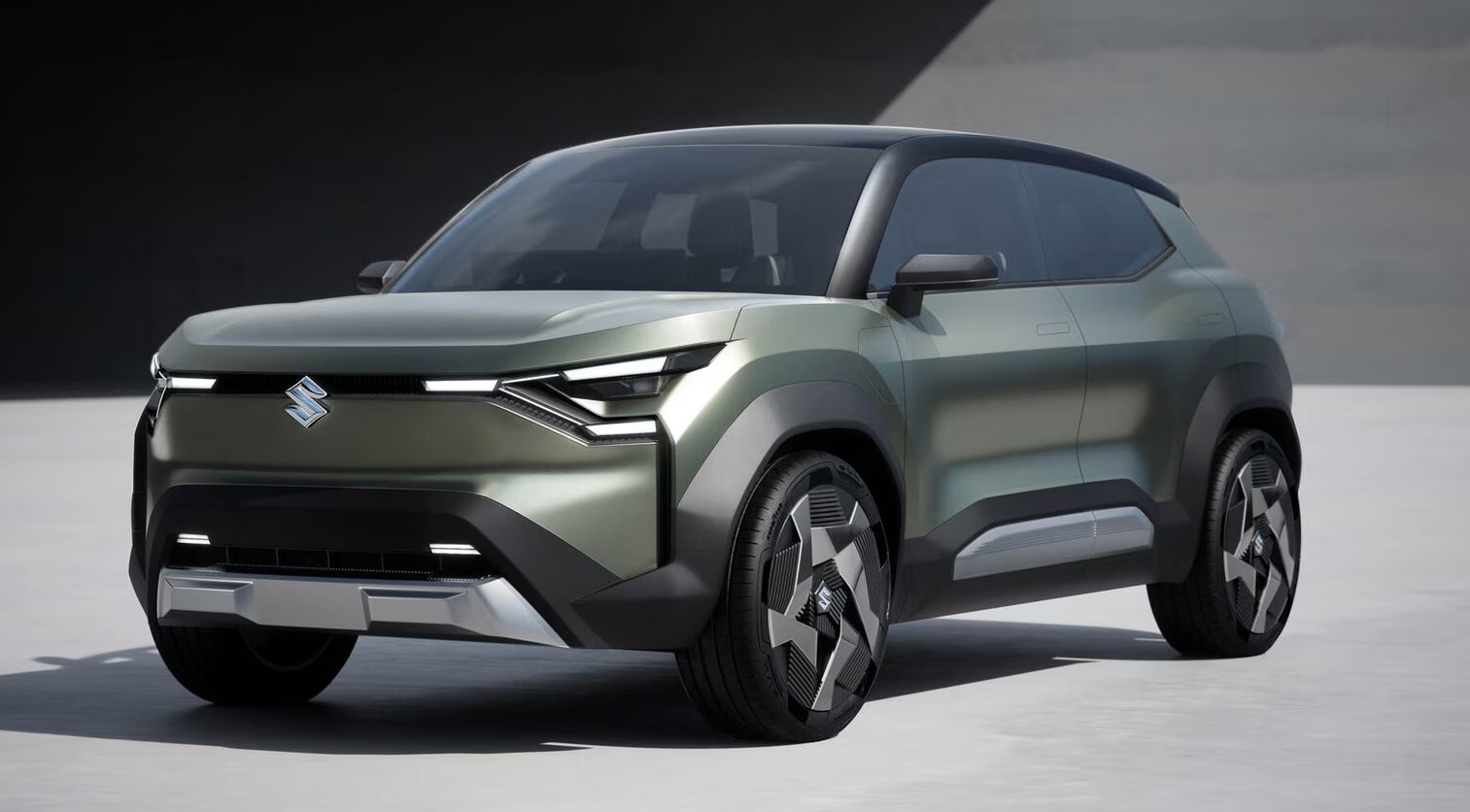
India’s automotive landscape is undergoing a significant transformation, and Maruti’s EV entry marks a pivotal moment in this shift. As one of the country’s largest and most trusted car manufacturers, Maruti Suzuki stepping into the electric vehicle (EV) segment signals the growing importance of sustainable and eco-friendly transportation in India. This article explores Maruti’s journey into electric mobility, the features of its EV offerings, and what this means for Indian consumers looking for affordable and efficient electric cars.
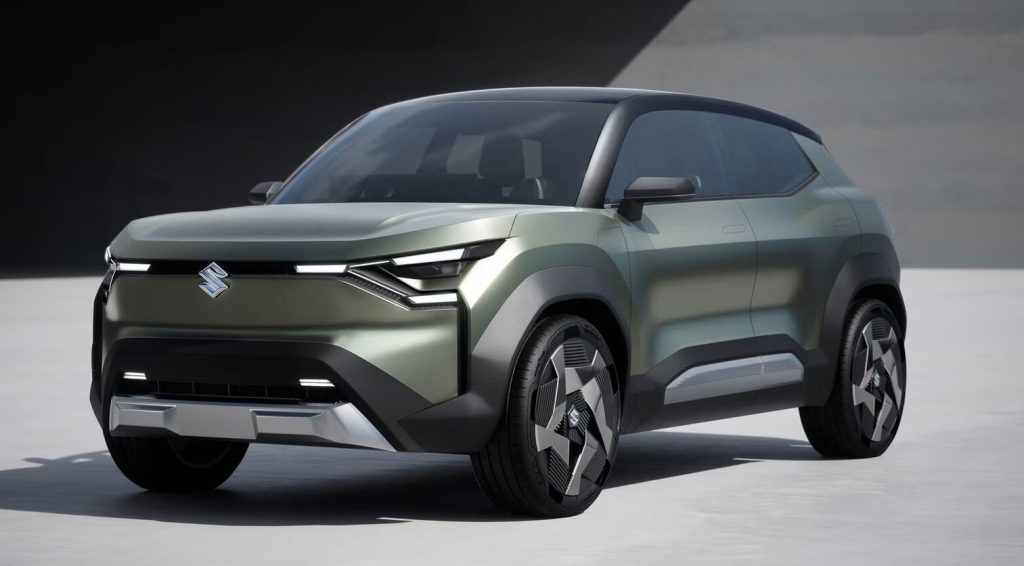
Maruti Suzuki’s EV Vision for India
With increasing environmental concerns, government incentives, and a growing network of charging infrastructure, the Indian automobile industry is swiftly pivoting towards electric vehicles. Maruti Suzuki, known for producing reliable and affordable cars for millions of Indian households, recognized the necessity to adapt and innovate within this changing market.
The company’s EV strategy focuses on delivering electric cars that cater to the needs of Indian customers, emphasizing affordability, range efficiency, low maintenance, and a strong service network. Maruti’s EV entry is not just about launching electric models but also about strengthening the ecosystem through collaborations for battery technology, localization of EV components, and widespread service availability.
Key Highlights of Maruti’s EV Offerings
Maruti Suzuki has unveiled its first batch of electric vehicles with features designed for everyday Indian driving conditions. Here are the key aspects that make the brand’s EVs appealing:
-
Affordable Pricing: Maruti aims to keep its electric cars accessible to the mass market, competing well with other EV players in terms of price.
-
Compact and Efficient Design: Perfect for urban commuting, Maruti’s EVs are compact yet spacious, with smart design choices for maximum interior comfort.
-
Decent Driving Range: Their EVs offer competitive mileage on a full charge, which suits the general daily travel distance of Indian consumers.
-
Fast Charging Capability: Supporting quick charging technology reduces downtime and enhances convenience.
-
Robust Safety Features: Maruti ensures its EVs come equipped with advanced safety mechanisms in line with modern automotive standards.
-
After-Sales Service Network: Leveraging its extensive service network, Maruti makes electric vehicle maintenance hassle-free and affordable.
Maruti’s EV Models for Indian Roads
Maruti Suzuki has introduced a few electric vehicle models targeting different segments of buyers, from city commuters to small families. Some of their flagship EVs include:
| Model Name | Category | Range (Approx.) | Price Range (INR) | Special Features |
|---|---|---|---|---|
| Maruti Swift EV | Compact Hatchback | 150-180 km | ₹7-9 Lakhs | Fast charging, ergonomic design |
| Maruti WagonR EV | Hatchback | 130-160 km | ₹6-8 Lakhs | Spacious interiors, safety tech |
| Maruti Alto EV | Entry-level car | 120-150 km | ₹5-7 Lakhs | Budget-friendly, efficient powertrain |
These models are tailored for Indian road conditions, featuring good ground clearance, sturdy build quality, and climate control systems suited to India’s diverse climate.
Why Maruti’s EV Entry Matters for India?
Maruti Suzuki has been a trusted brand in Indian households for decades due to its reliability, affordability, and extensive service network. Its foray into electric vehicles holds significant implications:
-
Boost to EV Adoption: Maruti’s entry will likely accelerate electric vehicle adoption by offering affordable and reliable options.
-
Localization and Job Creation: The company’s focus on local manufacturing of EV components promotes the Make in India initiative and supports economic growth.
-
Strengthening EV Infrastructure: Maruti’s contribution to expanding fast-charging stations and service centers will ease EV ownership concerns.
-
Competitive Market: Maruti’s presence encourages healthy competition among automakers, leading to better products for consumers.
-
Environmental Impact: Increased use of Maruti’s electric cars will reduce pollution and dependency on fossil fuels, improving urban air quality.
Challenges and Opportunities Ahead
Despite a positive outlook, Maruti faces challenges common to the Indian EV market, such as limited charging infrastructure in rural areas, battery cost and technology constraints, and range anxiety among consumers. However, the company’s deep market understanding and financial strength provide it with the tools to overcome these.
Opportunities include diversification toward hybrid vehicles, collaborations with battery tech startups, and tapping into the government’s FAME (Faster Adoption and Manufacturing of Hybrid and Electric Vehicles) scheme for subsidies and incentives.
FAQs about Maruti’s EV Entry
-
When did Maruti Suzuki launch its first electric car in India?
Maruti Suzuki officially launched its first electric vehicle lineup in India in late 2025. -
What is the starting price of Maruti’s electric cars?
The entry-level models, like the Alto EV, start from around ₹5 Lakhs, making them among the most affordable EVs in India. -
What driving range can I expect from Maruti EV models?
Ranges vary from 120 km to 180 km per full charge depending on the model and driving conditions. -
Does Maruti provide fast charging for its EVs?
Yes, Maruti’s electric vehicles come with fast charging capabilities to reduce waiting time. -
Are Maruti EVs covered under government subsidies?
Many models are eligible for subsidies under India’s FAME scheme, reducing the effective purchase cost.
